
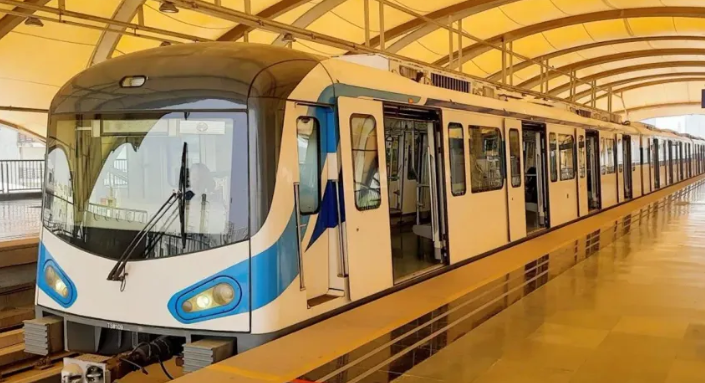
India’s rapid urbanisation has made modern mass transit systems such as the metro an essential component of sustainable city development. Metro rail projects reduce traffic congestion, save commuting time, lower pollution levels, and enhance the overall quality of urban life. For cities like Gurugram—an economic powerhouse adjoining the national capital and home to multinational corporations, industrial hubs, and millions of daily commuters—the expansion of metro connectivity is not just desirable but necessary.
However, the success of any infrastructure project does not lie merely in speed of execution or cost efficiency, but in foresight, sensitivity, and strategic planning. When a project directly impacts national security, senior citizens, and sensitive institutions, it transcends the realm of routine development and becomes a matter of national importance.
The proposed metro alignment in Gurugram, particularly the stretch passing through Palam Vihar, Sector-22, Sector-23, Jwala Mill, Udyog Vihar Phase-IV and running alongside a Military Area while connecting Old Delhi Road to NH-8 (Delhi–Jaipur Highway), presents precisely such a case. The current proposal to construct this section as an elevated corridor raises serious concerns related to security, public inconvenience, and the welfare of ex-servicemen. A strong case therefore exists for reconsidering this alignment and adopting an underground solution for this sensitive stretch.
Strategic and Social Importance of the Corridor: This particular road is not an ordinary urban street. It is one of Gurugram’s most vital arterial routes, linking Old Delhi Road with NH-8, the Delhi–Jaipur Highway. Every day, it serves:
- Thousands of office-goers commuting to and from corporate hubs
- Workers from industrial areas such as Udyog Vihar
- Local residents of Palam Vihar and surrounding sectors
- School children, women commuters, and senior citizens
- A large population of defence personnel and their families
The defence community forms a significant demographic in this region. It is estimated that nearly 70,000 serving personnel, ex-servicemen and their families reside in Gurugram and nearby areas. For them, this corridor is a lifeline because it provides access to critical facilities such as the ECHS Polyclinic (for medical treatment) and the CSD Canteen (for essential supplies).
On a daily basis, approximately 10,000 to 15,000 elderly ex-servicemen and their dependents use this road. Many of them are advanced in age, some with limited mobility, and several with medical conditions requiring frequent visits to healthcare facilities. Any planning decision that affects this route therefore directly impacts not only general commuters but also a highly deserving and vulnerable section of society.
Severe Traffic Congestion and Urban Stress: The present traffic situation on this stretch is already alarming. Under normal conditions:
- A distance of just 4 kilometres takes nearly 40 minutes to cover
- Peak hours witness prolonged traffic jams
- Emergency vehicles often struggle to pass through
- Pedestrians and senior citizens face daily risks
The construction of an elevated metro corridor inevitably involves the installation of large concrete pillars, barricading of road space, diversion of traffic, and long-term construction activity. This will further reduce the effective width of the road and intensify congestion for several years.
From an urban planning perspective, it is worth noting that elevated infrastructure often solves one problem while creating many others at ground level. Reduced road capacity, visual clutter, noise pollution, and pedestrian inconvenience are common side effects. In a corridor that is already overburdened, such consequences would severely affect quality of life and economic productivity.
National Security: The Most Sensitive Dimension: The most critical aspect of this issue is national security.
This stretch runs alongside highly sensitive defence installations, including:
- Military establishments
- Ammunition depots
- Firing ranges
- Areas close to the cantonment boundary
An elevated metro line, by its very nature, provides height and visibility. From metro coaches, platforms, and elevated stations, there would be direct line-of-sight exposure to defence assets. Such exposure may appear benign in everyday circumstances, but from a strategic perspective, it represents an avoidable vulnerability.
In the contemporary security environment—where threats include espionage, surveillance, sabotage, and terrorism—urban infrastructure must be designed with a security-first mindset. It is internationally accepted practice that infrastructure near sensitive military or strategic installations is planned with extreme caution. Many countries deliberately opt for underground alignments or restricted visibility designs in such zones.
National security is not confined to borders; it extends to the protection of critical assets within cities. Any development that potentially compromises this protection must be reassessed with seriousness and responsibility.
Underground Metro: A Practical and Responsible Alternative: The good news is that the solution to this issue is neither radical nor impractical. It already exists: construct the sensitive stretch of the metro line underground.
An underground alignment offers multiple long-term benefits:
- Protection of defence installations by eliminating direct visual exposure
- No reduction in surface road capacity, preserving traffic flow
- Greater safety and comfort for senior citizens and pedestrians
- Better urban aesthetics and reduced noise pollution
- Future-ready infrastructure that aligns with global best practices
It is important to note that an earlier suggestion had already been made to construct approximately one kilometre of this corridor underground, considering traffic density, availability of land, and defence sensitivity. Technically and logistically, such a proposal is feasible.
While underground construction may involve higher initial costs, its long-term benefits in security, urban efficiency, and public welfare far outweigh the additional investment. Infrastructure decisions should be evaluated not only on immediate financial considerations but on their impact over the next 50 to 100 years.
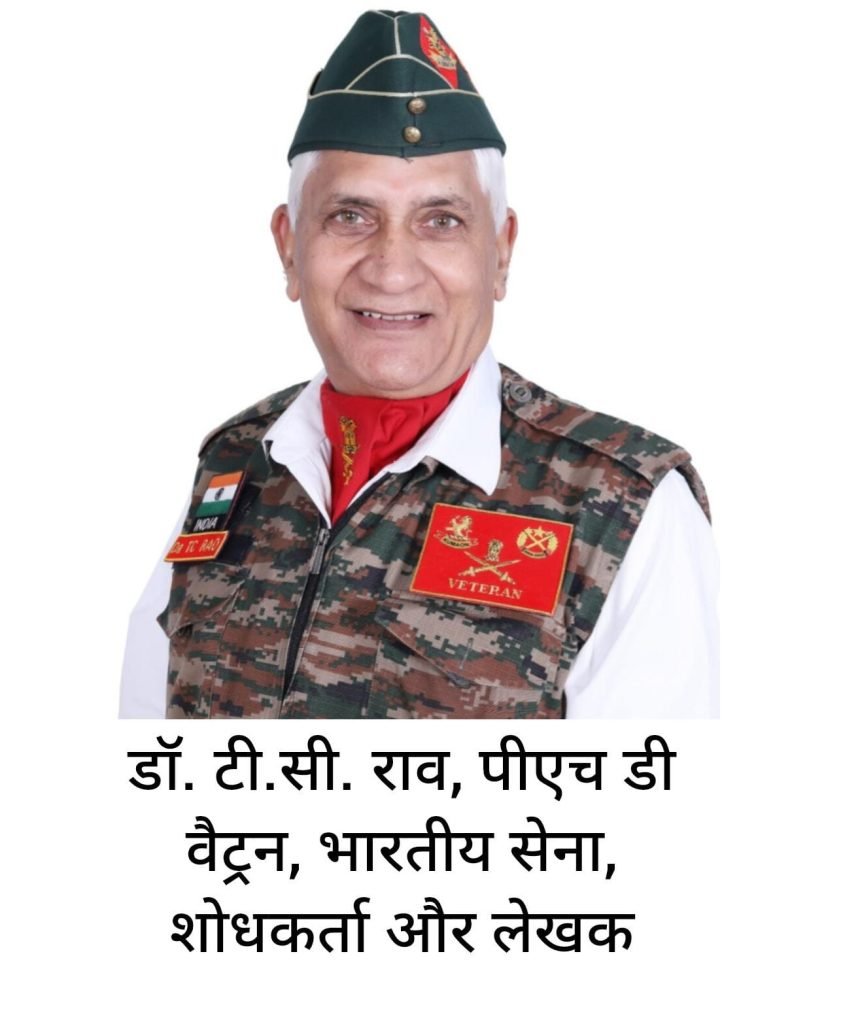
The Matter Has Already Reached the Highest Levels: This is not merely a local grievance. The issue has been formally raised during the CM Jansamvad (Pre-Budget Public Interaction), where Major (Dr.) T.C. Rao, a veteran, presented the matter before the Hon’ble Chief Minister of Haryana. The Chief Minister acknowledged the seriousness of the concern, particularly from the perspective of national security, and assured that it deserved consideration.
This acknowledgment reflects that the government is aware of the sensitivity of the issue. The next step must be to ensure that this awareness translates into policy-level action and planning correction.
Development Versus Wisdom: The Need for Balanced Planning: India undoubtedly needs rapid infrastructure development. Gurugram undoubtedly needs expanded metro connectivity. But development must be guided by wisdom, not haste.
True development is that which:
- Does not compromise national security
- Does not inconvenience senior citizens and vulnerable groups
- Is sustainable in the long run
- Reflects empathy and strategic thinking
- Serves future generations, not just present deadlines
A poorly considered alignment today can create decades of regret tomorrow. Conversely, a thoughtful, security-conscious decision today can become a benchmark of responsible governance.
The Gurugram metro project is an opportunity to demonstrate how India can build world-class infrastructure while remaining deeply sensitive to security, society, and sustainability. The demand to construct the Palam Vihar–Udyog Vihar–Military Area stretch as an underground corridor is not emotional rhetoric; it is a rational, responsible, and nationally prudent proposal.
Honouring ex-servicemen means more than ceremonial appreciation—it means shaping policies that respect their convenience and dignity. Protecting national security means more than guarding borders—it means ensuring that city planning does not create avoidable vulnerabilities.
A truly modern city is not defined only by tall structures and fast trains, but by the wisdom with which those structures are placed.
It is therefore in the larger public interest that the authorities seriously reconsider the alignment and ensure that this sensitive stretch of the metro corridor is constructed underground—for the sake of security, dignity, and sustainable urban development.



 श्री राजनाथ सिंह : परिवर्तन के सूत्रधार
 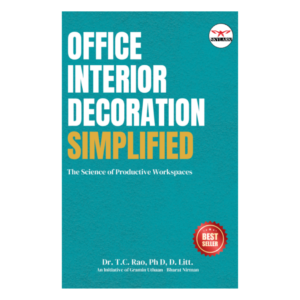 Office Interior Decoration Simplified: The Science of Productive Workspaces
 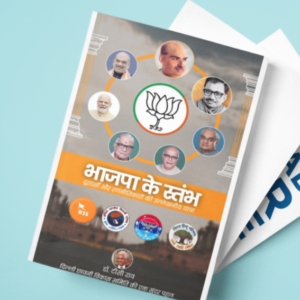 भाजपा के स्तंभ : दूरदर्शी और राजनीतिकारों की उल्लेखनीय यात्रा
 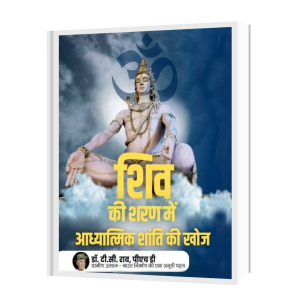 शिव की शरण में : आध्यात्मिक शांति की खोज
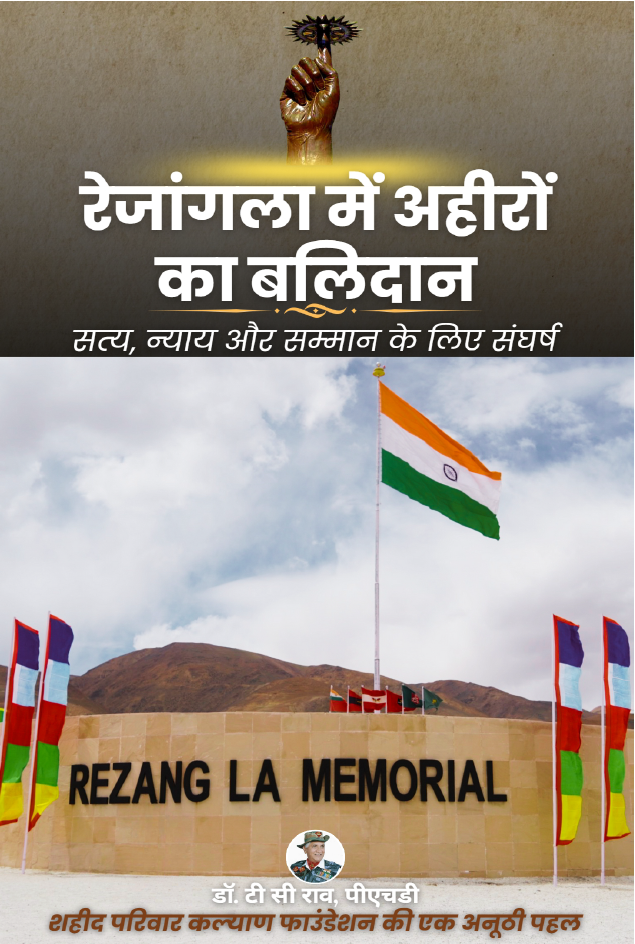
 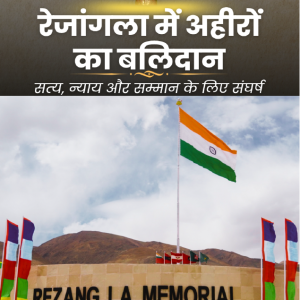 रेजांगला में अहीरों का बलिदान: सत्य, न्याय और सम्मान के लिए संघर्ष
  श्री योगी आदित्यनाथ : नए भारत के सशक्त नेता